
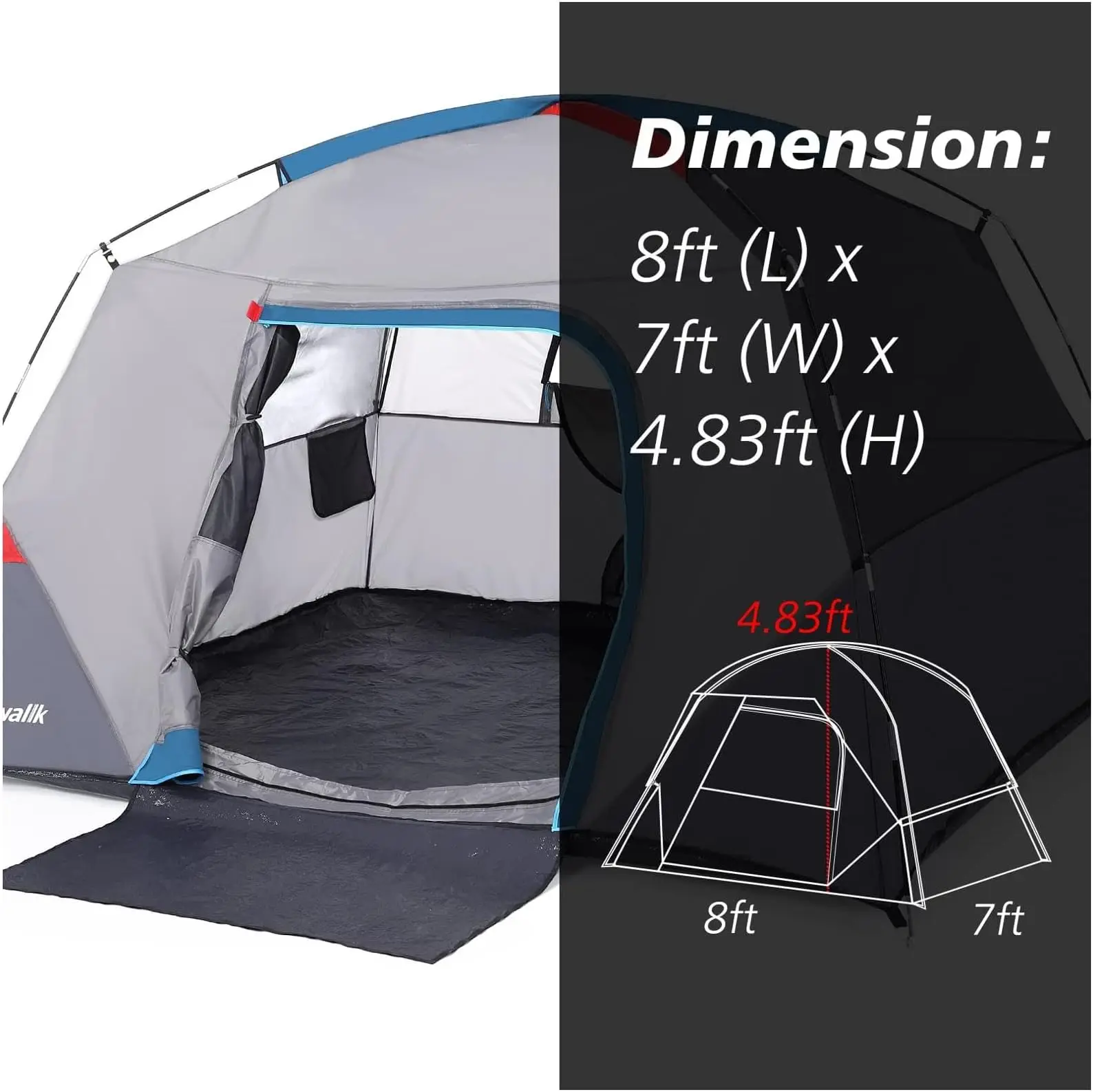
The Critical Importance of Windproof Shelters in Cold Environments
When venturing into cold environments, the difference between comfort and danger often comes down to one crucial factor: your shelter’s ability to block wind. A truly “windproof” shelter doesn’t just resist gentle breezes—it stands strong against sustained winds of 30+ mph (48+ km/h) without compromising your safety. Cold trips typically involve temperatures below freezing (32°F/0°C), often dropping well below 0°F (-18°C) in extreme cases.
Understanding wind chill is essential for any cold-weather adventurer. Wind dramatically accelerates the rate at which your body loses heat—a 20°F (-7°C) day with 30 mph (48 km/h) winds feels like -1°F (-18°C) to exposed skin. This isn’t just uncomfortable; it’s downright dangerous.
The physics behind this are straightforward but critical:
* Wind strips away the thin layer of warm air your body naturally creates around itself
* Exposed skin can freeze 2-4 times faster in windy conditions than in still air
* Even with proper clothing, wind can find entry points and rapidly sap body heat
The consequences of inadequate wind protection are severe:
* Hypothermia can begin developing in under 30 minutes in windy, cold conditions
* Frostbite can affect exposed skin in under 10 minutes in extreme conditions
* Mental function deteriorates as core temperature drops, leading to poor decision-making
Beyond the immediate physical dangers, inadequate shelters face structural risks that can be catastrophic during expeditions. Standard camping tents might collapse under snow load or suffer pole fractures in high winds, leaving you exposed precisely when you need protection most. This is why many experienced adventurers invest in 4-season winter 2-person tents with reinforced frames and specialized materials designed to withstand brutal conditions.
Space considerations also become critical in extreme environments—having adequate room for you and your gear can mean the difference between a successful expedition and a dangerous situation. Many adventurers find themselves wondering is a 2-person tent actually big enough when planning cold-weather trips, as winter gear requires significantly more space than summer equipment.
Evaluating Different Windproof Shelter Types for Cold Conditions
The world of cold-weather shelters offers various specialized options, each with distinct advantages for different expedition styles and conditions. Understanding these differences helps you select the most appropriate protection for your specific needs.
When evaluating shelter options for cold, windy environments, consider these key factors:
* Structural integrity in high winds
* Insulation capability
* Moisture management
* Setup difficulty with gloved hands
* Weight-to-protection ratio
* Interior space for gear and occupants
For serious cold-weather expeditions, purpose-built winter camping tent designs offer specialized features that can make the difference between comfort and crisis. These shelters are engineered specifically for below-freezing temperatures and powerful winds that would compromise standard camping tents.
The complexity of setting up shelter in harsh conditions shouldn’t be underestimated—even experienced outdoor enthusiasts benefit from practicing mastering two-person lightweight tent setup before venturing into challenging environments. When your fingers are numb and the wind is howling, familiar setup procedures become invaluable.
Four-Season Tents: The Gold Standard for Cold Weather Protection
When facing truly harsh conditions, four-season tents represent the most reliable shelter option available. These structures are specifically engineered to withstand extreme environments that would compromise lighter alternatives.
Expedition-grade tents feature distinctive characteristics:
* Geodesic or semi-geodesic pole structures that distribute wind force across multiple intersection points
* Lower profiles that minimize wind resistance while maximizing interior space
* Reinforced stake points and multiple guy-line attachments
* Thicker, more durable fabrics (typically 70D or higher)
* Snow skirts to prevent drafts and drifting snow from entering
The difference between heavy-duty backpacking tents and true expedition tents lies in their construction. While both may carry the “4-season” designation, heavy-duty 4-season tent models intended for serious expeditions incorporate far more robust materials and structural elements—which does mean added weight.
The wall construction debate—single vs. double—represents an important consideration:
Double-Wall Construction:
* Superior condensation management through separate inner breathable and outer waterproof layers
* Better insulation properties from the dead air space between layers
* Typically heavier and more time-consuming to set up
* More reliable in sustained harsh conditions
Single-Wall Construction:
* Lighter weight and faster setup
* Less interior space
* More prone to condensation issues
* Often preferred for alpine speed climbs or ultralight expeditions
The most serious expedition tents also feature extended vestibules—critical for storing gear and creating transition zones that prevent heat loss and snow entry during ingress/egress.
Minimalist Windproof Options: Bivies and Enhanced Tarps
For those prioritizing weight savings or engaging in fast-and-light alpine missions, minimalist shelter systems offer compelling alternatives to traditional tents. Modern ultralight bivy tent designs have evolved significantly from the claustrophobic, condensation-prone tubes of the past.
Today’s advanced bivies feature:
* Breathable waterproof membranes that reduce condensation
* Minimal pole structures creating headspace
* Reinforced face panels to prevent collapse in wind
* Weights often under 2 lbs (0.9 kg)
* Rapid deployment capabilities for emergency situations
The primary tradeoff remains interior space—bivies are fundamentally survival shelters rather than living spaces. They excel for solo mountaineers but become problematic for extended stays or when weather forces longer periods of shelter confinement.
Winter-specific tarp systems offer another ultralight approach, particularly designs using trekking pole backpacking tent principles to create remarkably stable structures. The pyramid (mid) design stands out for its exceptional wind-shedding capability despite minimal weight.
Key considerations for cold-weather tarp systems include:
* Pitch angle (steeper in winter to shed snow)
* Ground attachment systems (snow stakes, deadman anchors, etc.)
* Ventilation management to prevent condensation freeze
* Side protection from blowing snow
Hybrid systems—combining bivy protection with minimal overhead tarps—represent an increasingly popular middle-ground solution that balances weight and protection for specific mission profiles.
Snow-Based and Emergency Shelters
Nature provides remarkably effective shelter materials in snow environments. Snow’s insulating properties create surprisingly comfortable emergency shelters when constructed properly:
- Snow caves: Dug horizontally into consolidated snowbanks, providing excellent insulation
- Quinzhees: Created by piling snow, allowing it to settle, then hollowing out the interior
- Snow trenches: Quick-to-construct emergency options when snow is deep but unconsolidated
- Snow walls: Windbreaks that can dramatically improve the performance of any shelter type
These natural shelters typically maintain interior temperatures around 32°F (0°C) regardless of outside temperatures—which can mean survival when exterior temperatures plummet far below zero.
For day trips or emergency preparedness, group shelters like bothy bags provide rapid deployment options that can prevent hypothermia. These lightweight emergency options complement rather than replace primary shelter systems. Understanding various camping shelter options for two people becomes particularly important when venturing into cold environments where sharing body heat can be a critical survival strategy.
Critical Design Features of Effective Windproof Shelters
Understanding the engineering principles behind effective wind resistance helps you evaluate shelter options beyond marketing claims. The most critical design elements often aren’t the most visible or heavily advertised.
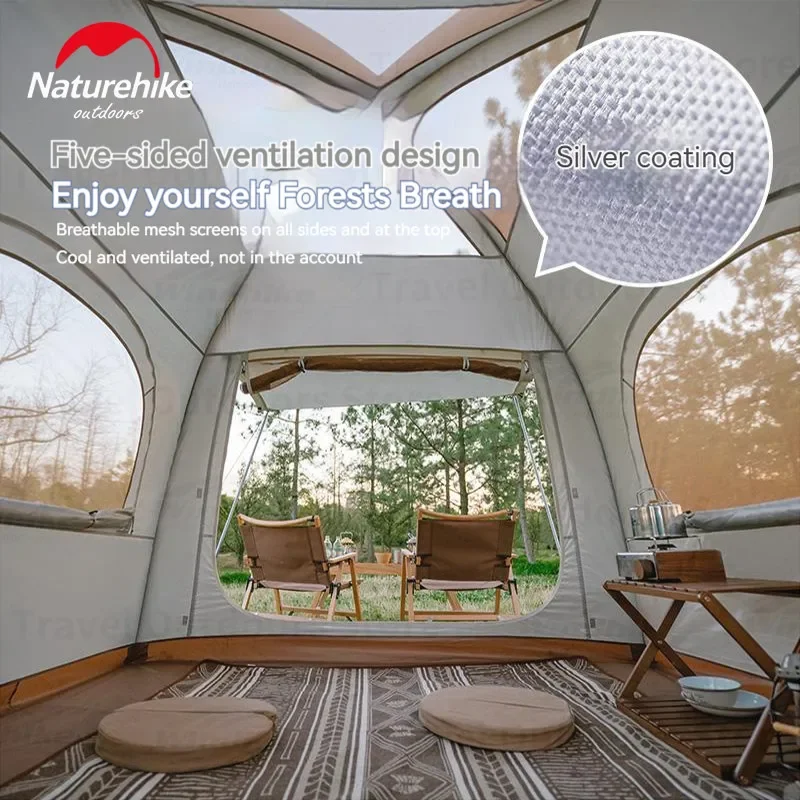
For any shelter to perform in genuinely harsh conditions, it must balance four competing priorities:
* Wind resistance
* Snow load capacity
* Condensation management
* Usable space
Materials represent a crucial component of this balance. Modern waterproof backpacking tent designs utilize specialized fabrics that maintain their properties even when temperatures plummet well below freezing. While standard tent fabrics become brittle and prone to tearing in extreme cold, winter-specific materials remain flexible and resilient.
Structural Geometries and Frame Systems
The physical architecture of a shelter determines its fundamental wind resistance. Three primary designs dominate the cold-weather landscape, each with distinct performance characteristics:
Geodesic/Semi-Geodesic Domes:
* Multiple pole crossings create triangulated structures that distribute force
* Excellent multi-directional wind resistance
* Superior snow-load capacity
* More interior headroom
* Complex setup with multiple pole segments
Tunnel Designs:
* Excellent wind resistance from one direction
* Must be oriented properly to prevailing winds
* Efficient interior space utilization
* Typically lighter than dome designs of similar size
* Less effective in swirling, unpredictable wind conditions
Pyramid/Mid Designs:
* Exceptional wind shedding from all directions
* Minimal pole components (often just one central pole)
* Excellent space-to-weight ratio
* Limited headroom except at center
* Superior performance in high winds when properly anchored
Modern ultralight dome tent designs have achieved remarkable strength-to-weight ratios by optimizing these geometric principles with advanced materials. When evaluating pole systems, diameter and material become critical factors—generally, larger diameter poles provide better stability but add weight.
Pole sleeve systems generally offer superior strength in high winds compared to clip attachments but make setup more challenging in cold conditions when materials stiffen. The most winter-capable designs often use hybrid systems with sleeves at critical stress points and clips elsewhere.
Critical to any wind-resistant design is a comprehensive guy-line system. The most effective configurations:
* Attach to the tent body at multiple height points, not just the bottom
* Include reinforced attachment points designed to distribute load
* Feature reflective cord for nighttime visibility
* Allow for tension adjustment even with gloved hands
Material Technologies and Cold-Weather Performance
Fabric selection fundamentally impacts cold-weather performance. While the waterproof rating (hydrostatic head) receives much attention, other factors prove equally important in genuine winter conditions:
- Tear strength: Critical when fabric stiffens in extreme cold
- UV resistance: Snow environments dramatically increase UV exposure
- Denier rating: Higher numbers indicate more durable (but heavier) fabrics
- Coating technology: Silicone-based coatings generally maintain flexibility better in extreme cold than polyurethane
Traditional canvas camping tent designs offer exceptional durability and surprisingly good insulation properties but at significant weight penalties. Modern technical fabrics strive to balance weight, strength, and thermal properties.
Seam construction becomes particularly critical in winter shelters—failing seams can introduce catastrophic air leaks that render the entire shelter ineffective. Triple-stitched, tape-sealed seams represent the gold standard, with welded seams offering the ultimate (though expensive) solution.
Even the best materials face challenges in extreme cold:
* Increased brittleness and reduced impact resistance
* Diminished flexibility making packing and setup more difficult
* Changed breathability characteristics affecting condensation management
* Potential for coating cracks in multiple freeze-thaw cycles
Selecting the Right Windproof Shelter: A Decision Framework
With numerous technical options available, selecting the appropriate shelter requires a systematic approach based on your specific expedition parameters. This decision framework helps match shelter characteristics to your needs:
Define your environmental conditions:
* Expected minimum temperatures
* Maximum anticipated wind speeds
* Precipitation type and amount
* Terrain and campsite options
* Trip durationAssess your personal/group needs:
* Number of occupants (realistic what size tent good for 2 people analysis)
* Required gear storage space
* Cooking arrangements (in-tent vs. external)
* Sleep system integrationEvaluate critical constraints:
* Weight limitations
* Budget parameters
* Setup complexity tolerance
* Packed size restrictionsConsider risk factors:
* Distance from assistance
* Experience level of team
* Backup shelter options
* Worst-case scenario planning
These decisions interconnect in complex ways. For instance, extreme conditions typically demand more robust shelters that weigh more—creating potential conflicts with weight constraints. Choosing ultimate compact shelter for two often requires making thoughtful compromises between space, weight, and protection level.
Testing before critical expeditions is non-negotiable. A backyard test in mild conditions doesn’t reveal how a shelter will perform—or how quickly you can set it up—when winds are howling and temperatures are plummeting. Realistic testing should include:
- Setup wearing the gloves/mittens you’ll use on the expedition
- Practicing in windy conditions to understand guy-line requirements
- Testing ventilation adjustments to manage condensation
- Ensuring all members of the expedition can set up the shelter independently
Top-Performing Windproof Shelters for Different Cold Weather Scenarios
While specific product recommendations quickly become outdated, certain shelter categories consistently excel in specific cold-weather scenarios. Understanding these categories helps you identify current models that meet your needs.
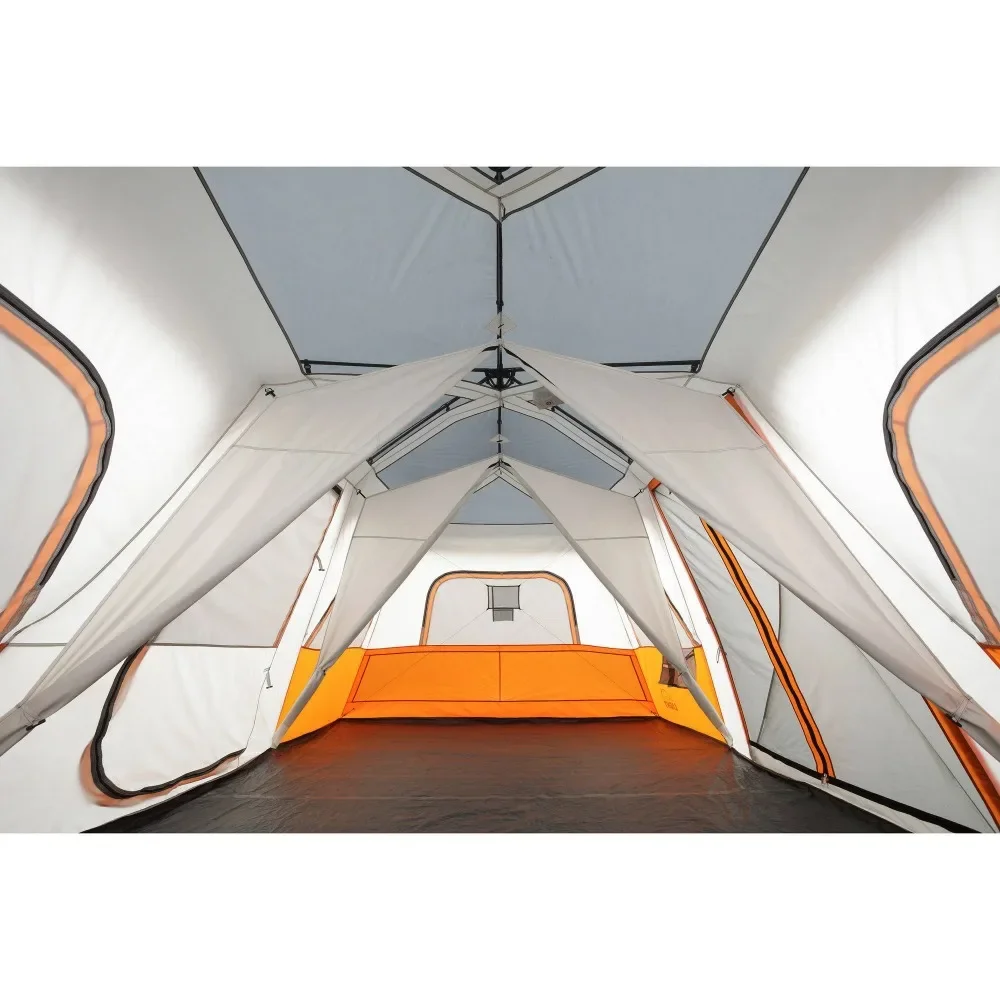
For extreme expedition conditions (polar regions, high altitude):
* Geodesic designs with 5+ pole crossings
* Double-wall construction
* 70D or higher fabric denier
* Minimum 4 inches (10 cm) snow skirts
* Extended vestibule space
* Multiple ventilation options
For alpine climbing and mountaineering:
* Semi-geodesic or tunnel designs with 3-4 pole crossings
* Single-wall construction for weight savings
* Minimal but functional vestibule space
* Rapid deployment features
* Multiple guy-out points
For winter backpacking and moderate conditions:
* Semi-geodesic or tunnel designs balancing weight and strength
* Double-wall construction for condensation management
* Adequate vestibule for gear storage
* Manageable packed size and weight
Regardless of category, the best compact shelters for two adventurers in cold conditions share certain characteristics: thoughtful vestibule designs, sufficient interior space for winter sleeping systems, and ventilation options that prevent condensation without creating drafts.
For those seeking maximum protection across multiple seasons and environments, durable tents all seasons offer versatility through adjustable ventilation systems and convertible features—though such versatility typically comes with weight penalties compared to season-specific designs.

Lightweight Backpacking Tent, Ultralight Backpacking Tent, Ultralight Bivy Tent
Ultralight Single Person Camping Tent with Aluminum Poles for 3-Season Backpacking Waterproof DesignPrice range: $94.88 through $326.82 Select options This product has multiple variants. The options may be chosen on the product page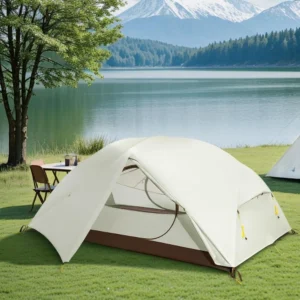
Lightweight Backpacking Tent, Ultralight Backpacking Tent, Waterproof Backpacking Tent
$391.05 Select options This product has multiple variants. The options may be chosen on the product page
Heavy Duty 4 Season Tent, Mountaineering Tent, Winter Camping Tent
$870.40 Select options This product has multiple variants. The options may be chosen on the product page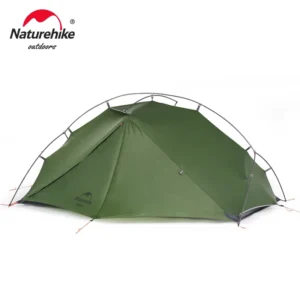
Ultralight Backpacking Tent, Ultralight Dome Tent, Winter Camping Tent
Price range: $369.63 through $370.07 Select options This product has multiple variants. The options may be chosen on the product page
Heavy Duty 4 Season Tent, Ultralight Freestanding Tent, Winter Camping Tent
$3,722.66 Select options This product has multiple variants. The options may be chosen on the product page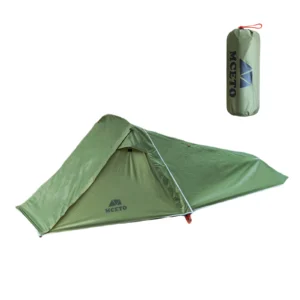
Backpacking Tent with Vestibule, Freestanding Backpacking Tent, Lightweight Backpacking Tent
Price range: $446.89 through $447.22 Select options This product has multiple variants. The options may be chosen on the product page
Setting Up and Anchoring Techniques for Maximum Wind Resistance
Even the most robustly designed shelter can fail if improperly deployed. Mastering proper setup techniques dramatically increases your shelter’s effective wind resistance:
Site Selection Priorities:
* Natural windbreaks (rock formations, tree groves)
* Avoid ridge tops and wind tunnels between landforms
* Identify potential snow-loading danger from overhead features
* Consider drainage patterns if temperatures might rise
* Assess avalanche risk carefully in mountainous terrain
Orientation Strategies:
* Position the smallest, strongest end of the shelter toward prevailing winds
* Orient doors away from wind direction when possible
* Consider solar exposure for passive warming (if applicable)
* Maintain safe distance from hazard zones (falling ice, tree limbs)
Anchoring Approaches:
* In snow: Use deadman anchors (buried objects like stuff sacks filled with snow) rather than stakes
* On ice or hard-packed snow: Use ice screws or specialized snow stakes
* On rock/frozen ground: Seek natural anchors or use rock-stacking techniques
* Use crossing guy lines to create tension in multiple directions
Reinforcement Techniques:
* Build snow walls on windward sides to reduce direct pressure
* Add secondary guy lines to critical stress points
* Use trekking poles as additional structural supports
* Regularly clear accumulated snow before weight becomes problematic
Once the expedition concludes, proper packing techniques preserve your equipment for future use. Understanding mastering tent packing tips helps extend the lifespan of expensive winter shelters and ensures they’re ready for your next adventure.
Internal Organization and Management in Cold-Weather Shelters
The challenges of cold-weather camping continue after your shelter is securely pitched. Effective interior management becomes crucial for comfort, safety, and preventing moisture buildup.
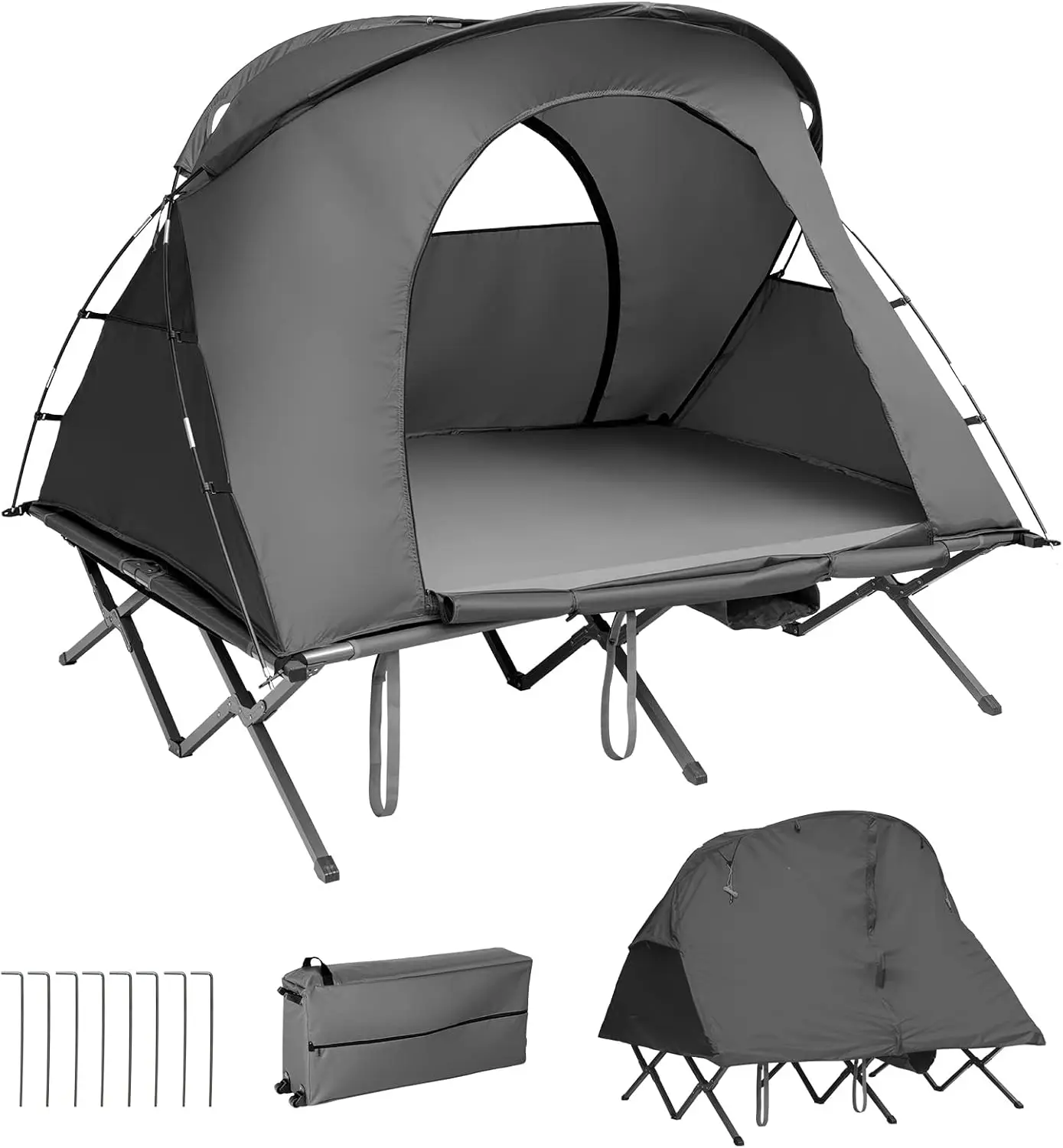
Condensation represents the most persistent challenge in winter shelters. Every breath releases moisture that can freeze on tent walls and then melt onto your gear when temperatures rise. Mitigating strategies include:
- Consistent ventilation management, even in extreme cold
- Wiping down interior surfaces before condensation freezes
- Using vapor barriers in sleeping systems to reduce moisture release
- Keeping snow-covered gear in vestibules rather than the main shelter
- Cooking outside whenever conditions permit
Space management becomes particularly critical in winter camping. Finding your perfect space-saving tent for two people is just the beginning—organizing that space effectively determines your comfort level. Consider:
- Creating dedicated zones for wet/dry gear
- Establishing clear pathways to doors and ventilation controls
- Using overhead storage options for drying gloves and small items
- Positioning sleeping systems to maximize floor space efficiency
- Developing consistent entry/exit protocols that minimize snow introduction
For multi-day expeditions, developing routines that maintain shelter organization dramatically improves morale and efficiency. Simple practices like designating specific storage locations for essential items mean less fumbling with cold hands when you need critical gear.
Supplementary Equipment to Enhance Shelter Wind Protection
A comprehensive wind protection system extends beyond the shelter itself. Supplementary elements create a complete defense system against cold and wind:
Snow Walls and Wind Barriers:
* Height guideline: Build to at least 60% of shelter height for effective protection
* Position: 6-10 feet (2-3 meters) from shelter on windward sides
* Construction: Compacted blocks stacked in overlapping patterns like brickwork
* Time investment: Usually worth the 30-60 minutes required for construction
Advanced Anchoring Systems:
* Snow/sand anchors that increase surface area for greater holding power
* Deadman anchors made from buried gear in emergency situations
* Rock-bag anchors for situations without suitable staking options
* Specialized ice anchors for glacier camping
Having additional protected space for gear storage and preparation activities significantly enhances comfort on winter expeditions. Many serious winter campers utilize backpacking tent vestibule extensions or supplementary tarps to create protected cooking and gear management areas.
Emergency Repair Kit Essentials:
* Sleeve sections compatible with your pole design
* Splint materials (aluminum strips work well)
* Repair tape designed for low-temperature adhesion
* Spare guyline and tensioners
* Multi-tool with needle-nose pliers for pole repairs
Essential Windproof Shelter Maintenance and Care
The harsh conditions that necessitate specialized shelters also accelerate wear and damage. Proper maintenance extends equipment life and prevents failures during critical expeditions:
Field Maintenance:
* Daily inspection of all guy points and tension systems
* Regular clearing of snow loads before weight becomes problematic
* Gentle removal of ice from zippers and pole sections
* Temporary repair of small tears using appropriate repair tape
* Careful brush removal of snow before packing when possible
Post-Expedition Care:
* Complete drying before storage (may take several days)
* Gentle cleaning of dirt and salt deposits
* Inspection and repair of any damaged components
* Waterproofing treatment as recommended by manufacturer
* Proper storage in loose, uncompressed state
The environments where wilderness adventurers use these shelters vary dramatically. Techniques that work perfectly in one setting may prove problematic in others. Understanding environment-specific practices for compact camping shelters for forest hiking versus alpine conditions allows you to adapt maintenance approaches to current conditions.
Signs indicating need for major repair or replacement include:
* Significant fabric tears, especially near stress points
* Delamination of coatings or waterproof layers
* Pole sections that have been repeatedly repaired
* Zippers that fail to close completely
* Seam tape that’s peeling or separating
Cold Weather Shelter FAQ: Expert Answers to Common Questions
Can 3-season tents ever be safely used in winter conditions?
3-season tents can be used in mild winter conditions with minimal wind (under 15 mph/24 km/h) and no significant snowfall. They typically lack the structural strength for snow loads and high winds. If using a 3-season tent in winter, supplement with wind barriers, choose protected campsites, and bring additional insulation and emergency backup options.
What wind speeds should expedition shelters be able to withstand?
True expedition-grade shelters should withstand sustained winds of 50+ mph (80+ km/h) and gusts approaching 70-80 mph (112-128 km/h). The strongest mountaineering tent designs have survived documented wind speeds exceeding 100 mph (160 km/h) in Antarctica and high-altitude environments, though such extreme conditions test the limits of any portable shelter.
How do you prevent condensation freeze in single-wall shelters?
Preventing condensation freeze requires a multi-faceted approach: maintain consistent ventilation even in extreme cold, use a small camp towel to wipe down interior surfaces before moisture can freeze, consider vapor barrier systems in your sleeping bag to reduce moisture release, and avoid bringing snow-covered equipment inside the main sleeping area.
Are tunnel tents or dome tents better for sustained high winds?
Both designs can perform well, but they excel in different conditions. Dome tents offer superior multi-directional wind resistance and are better when wind direction may shift. Tunnel tents provide excellent resistance when properly oriented with their narrowest end facing the wind and can offer better interior space efficiency. For unpredictable, swirling winds, geodesic domes typically provide better protection.
What’s the most critical maintenance task for extending shelter lifespan?
Complete drying before storage is unquestionably the most critical maintenance task. Even small amounts of residual moisture can create mildew, degrade waterproof coatings, and weaken fabrics and seams. After extended trips in cold conditions, tents may need several days of drying time in a warm, well-ventilated space with occasional repositioning to ensure all areas dry thoroughly.
Can snow loading cause shelter collapse and how to prevent it?
Yes, accumulated snow can absolutely cause shelter collapse, even with high-quality expedition tents. Prevention requires regular (every few hours during heavy snowfall) clearing of accumulated snow from flat surfaces of the tent, proper tensioning of all guy lines to prevent sagging areas where snow can collect, and selection of tent designs with steep wall angles that naturally shed snow.
Advanced Considerations for Specific Environments
Different extreme environments create distinct challenges for shelter systems. Understanding these nuances helps you adapt general principles to specific expedition settings.
High-Altitude Considerations (above 14,000 feet/4,270 meters):
* UV degradation accelerates dramatically at altitude—prioritize UV-resistant fabrics
* Lower air pressure reduces insulation effectiveness—plan for colder-than-expected conditions
* Extreme temperature fluctuations between day and night create condensation challenges
* Typically rocky terrain requires specialized anchoring systems
* Wind speeds can increase dramatically with minimal weather changes
Arctic/Antarctic Polar Conditions:
* 24-hour sunlight (summer) or darkness (winter) affects site selection strategies
* Persistent high winds require exceptional structural integrity
* Snow management becomes a constant activity
* Complete absence of natural anchors (trees, etc.) necessitates snow anchoring expertise
* Extreme cold affects material flexibility and human dexterity during setup
Understanding the specialized techniques required for mastering snowscape ultimate guide environments can dramatically improve both comfort and safety when camping in snow-dominated landscapes. These environments reward preparation and punish improvisation.
Forest vs. Exposed Environments:
* Forests provide natural wind protection but create falling branch hazards
* Snow loads differ significantly between open and forested areas
* Ground conditions (forest duff vs. exposed bedrock) require different anchoring approaches
* Humidity levels typically higher in forests, increasing condensation challenges
* Site selection options more constrained by available clearings
Desert Cold (Extreme Temperature Fluctuations):
* Daily temperature swings of 50+°F (28+°C) common
* Morning condensation followed by rapid evaporation
* Sand anchoring requires specialized stakes or buried objects
* UV degradation particularly severe in high-desert environments
* Often combines cold with extreme dryness, affecting material performance
At Explore Elements, we understand that selecting the right shelter for challenging environments requires balancing technical specifications with practical field experience. The perfect shelter matches not just the conditions you’ll face, but also your specific expedition style and priorities.
Whether you’re planning a high-altitude mountaineering expedition or a winter camping trip closer to home, investing in appropriate shelter protection represents the most important gear decision you’ll make. When the weather deteriorates and the wind begins to howl, the quality of your shelter becomes the defining factor between a challenging but manageable situation and a potential emergency.