

I. Understanding Two-Room Tents: What They Are and Why You Need One
When it comes to elevating your camping experience, few upgrades make as significant an impact as switching to a two-room tent. But what exactly is a two-room tent? Simply put, it’s a camping shelter that features separate living spaces created through built-in walls, removable dividers, or connected chambers. Unlike traditional single-space tents, these innovative designs transform your camping accommodation from a simple shelter into a more home-like environment.
The benefits of choosing a two-room camping tent extend far beyond just having extra space:
- Enhanced Privacy: Create separate sleeping areas for adults and children, couples, or friends
- Better Organization: Keep sleeping areas clean by storing gear, dirty boots, and equipment in a separate space
- Versatile Functionality: Use one area for sleeping and another for changing clothes, eating, or relaxing
- Weather Management: Contain moisture and dirt in one section while keeping sleeping areas dry
- Improved Sleep Quality: Different sleep schedules? No problem—early risers won’t disturb those who prefer to sleep in
Two-room tents are particularly valuable for families with children, groups of friends camping together, couples who appreciate personal space, and campers with pets. The evolution from basic single-room tents to these multi-room configurations represents one of camping’s most significant comfort advancements.
Imagine parents enjoying quiet conversation after the kids have gone to sleep, or keeping muddy hiking gear completely separate from clean sleeping bags. These real-world benefits demonstrate why many experienced campers consider two-room tents essential rather than optional.
Understanding how two-person lightweight tent setup differs from these more complex shelters is important. While lightweight options prioritize portability and minimal design, two-room configurations focus on space optimization and functionality—creating distinct environments within a single shelter.
Throughout this guide, we’ll explore the various configurations available, match them to different camping styles, and help you determine which design best suits your outdoor adventures.
II. Primary Two-Room Tent Configurations: Understanding Your Options
When shopping for a two-room tent, you’ll encounter several distinct configuration styles. Each offers unique advantages depending on your specific camping needs and preferences.
Side-by-Side Room Layouts
This popular configuration features a central living area flanked by sleeping chambers on either side. The design resembles a small apartment with a shared common space and private bedrooms.
Advantages: Excellent for families or groups who want a communal gathering space with private sleeping areas. The central area typically offers standing height, making it perfect for meals, games, or socializing during poor weather.
Limitations: Requires a larger footprint at the campsite and often uses more poles and materials, making it heavier than simpler designs.
Front-and-Back Room Designs
These tents feature a linear arrangement with one room positioned behind another. Typically, you’ll enter through a front room that serves as a living/storage area, then access a rear sleeping chamber.
Advantages: More streamlined footprint that fits into narrower camping spaces. Excellent for couples who want separate sleeping and living areas. The front room can serve as a buffer zone between the elements and your sleeping quarters.
Limitations: The back room often has limited direct access to the outside, and moving between rooms requires passing through the front space.
Vis-à-Vis Configurations
This European-inspired design places sleeping areas on opposite sides of a central living space, often with their own entrances. The name comes from the French for “face to face.”
Advantages: Maximum privacy as sleeping areas don’t share walls. Each room typically has its own door, allowing independent access. Perfect for adult groups or families with older children who value autonomy.
Limitations: The central space is often partially open to the elements (though covered), making it less suitable for poor weather conditions.
Room Divider Technologies
The way rooms are separated significantly impacts privacy and functionality. Options include:
- Removable Dividers: Zippered or toggle-attached fabric walls that can be installed or removed as needed
- Sewn-In Dividers: Permanent fabric walls that create fixed room configurations
- Partial Dividers: Half-height options that balance privacy with airflow and communication
The camping tent vestibule can also function as an additional room in many tents. These covered but often not fully enclosed areas provide perfect spaces for gear storage, cooking during mild precipitation, or removing dirty footwear before entering the main tent.
Each configuration type offers distinct advantages for different camping scenarios. The side-by-side layout excels for social camping trips, front-and-back designs work wonderfully for couples seeking both togetherness and privacy, while vis-à-vis configurations provide maximum separation for groups of adults.
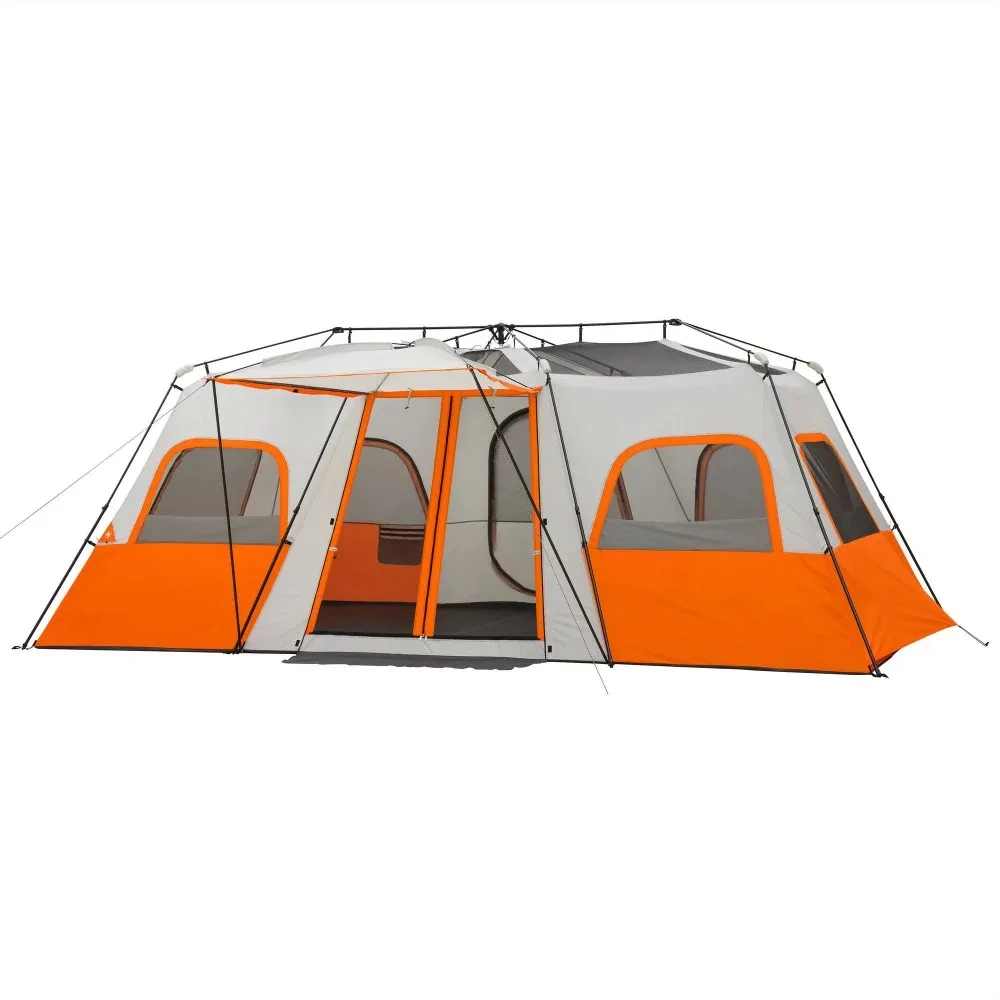
III. How Tent Shape Influences Room Configuration and Functionality
The fundamental architecture of your tent dramatically impacts how well it functions as a two-room shelter. Different tent shapes create distinct interior spaces and influence everything from headroom to stability.
Cabin-Style Tents
These boxy structures feature near-vertical walls and typically stand 6-7 feet tall at their center.
Key Features:
– Maximum interior volume thanks to straight walls
– Excellent headroom throughout most of the tent
– Straightforward room division with flat, vertical dividers
– Typically heavier construction with substantial poles
– Superior livability for extended camping trips
Cabin tents provide the most “home-like” experience, with rooms that closely resemble actual bedrooms. Their substantial height makes them perfect for families who want to stand fully upright throughout the tent, and the vertical walls make furniture placement simpler.
Tunnel Tents
Characterized by parallel hooped poles creating a tunnel-like structure, these tents offer excellent space efficiency.
Key Features:
– Front-to-back room arrangement is most common
– Excellent space-to-weight ratio
– Good wind resistance when oriented correctly
– Typically feature a sleeping area at one end and a living area at the other
– Often include a substantial vestibule as a third functional space
Tunnel tents strike a balance between livability and reasonable weight, making them suitable for campers who need to transport their tent moderate distances from their vehicle.
Dome and Extended Dome Configurations
The classic dome camping tent uses intersecting poles to create a hemisphere. Extended dome models add additional poles and space to create separate “pods” off the main dome.
Key Features:
– Excellent stability in various weather conditions
– Good headroom in the center that gradually decreases toward edges
– “Pod” extensions often serve as separate rooms
– More complex divider shapes to match curved walls
– Better performance in wind and rain than cabin styles
Extended dome designs frequently feature a main dome with smaller dome attachments, creating natural room separation. The resulting layout often has one larger central space with smaller attached sleeping areas.
Geodesic Designs
These technical tents use multiple intersecting poles to create exceptionally stable structures.
Key Features:
– Superior stability in extreme conditions
– Complex pole structure supports larger interiors
– Less common for family camping due to technical nature
– Multiple intersection points create natural room divisions
– Excellent strength-to-weight ratio
While less common in the family camping market, geodesic designs with two-room configurations offer unparalleled stability for camping in challenging conditions.
When selecting a two-room tent, consider how its shape will affect your living experience. Tall stand-up camping tent designs provide the most comfortable room separation, allowing full movement within each space. The tent architecture fundamentally determines how you’ll use the separate areas and how comfortable you’ll be moving between them.
IV. Matching Two-Room Configurations to Your Camping Style
Finding the perfect two-room tent requires matching the design to your specific camping requirements. Different groups have distinct needs, and the ideal configuration varies accordingly.
Families with Children
Families benefit from configurations that balance togetherness with privacy and supervision.
Ideal Configurations:
– Cabin-style tents with a central living area and adjacent sleeping rooms
– Extended dome tents with a main family space and separate kids’ area
– Models with partial dividers that allow visual monitoring while providing some separation
A family-friendly two-room tent creates safe spaces for children to nap while adults remain active, provides play areas during inclement weather, and offers parents privacy after kids fall asleep.
Couples Seeking Separate Spaces
For couples, two-room tents transform the camping experience by providing both shared and private areas.
Ideal Configurations:
– Front-to-back designs with a sleeping area and separate living/storage space
– Tunnel tents with distinct sleeping and activity zones
– Configurations where both rooms have standing height for maximum comfort
These arrangements create romantic camping experiences with dedicated sleeping quarters separate from cooking, changing, and gear storage activities.
Groups of Friends
Friend groups benefit from configurations that balance communal gathering with personal space.
Ideal Configurations:
– Side-by-side layouts with a central gathering area
– Vis-à-vis designs with separate sleeping quarters and a shared central space
– Configurations with multiple doors to allow independent access
The right setup enhances social interaction while respecting everyone’s need for personal space and accommodating different sleep schedules.
Campers with Pets
Pet owners face unique challenges that the right two-room configuration can solve.
Ideal Configurations:
– Designs with a dedicated pet sleeping area separate from human spaces
– Configurations with washable flooring in the pet zone
– Layouts with separate entrances for late-night pet bathroom breaks
These arrangements keep pet hair and dirt contained while ensuring everyone—including four-legged campers—enjoys the outdoor experience.
Gear-Intensive Campers
For those with substantial equipment, the second room becomes crucial for organization and protection.
Ideal Configurations:
– Front vestibule designs that create protected gear storage
– Layouts with a dedicated “equipment room” with reinforced flooring
– Configurations that allow gear access without disturbing sleeping areas
Understanding what size tent good for 2 people helps when evaluating how much additional space you need for gear storage in a two-room design.
Extended-Stay and All-Weather Camping
For longer trips or variable weather conditions, some configurations perform better than others.
Ideal Configurations:
– Robust cabin designs with weather-resistant materials
– Configurations with covered outdoor living spaces
– Designs with multiple ventilation options to manage changing conditions
The right two-room tent transforms a potential endurance test into a comfortable home base for extended outdoor adventures.
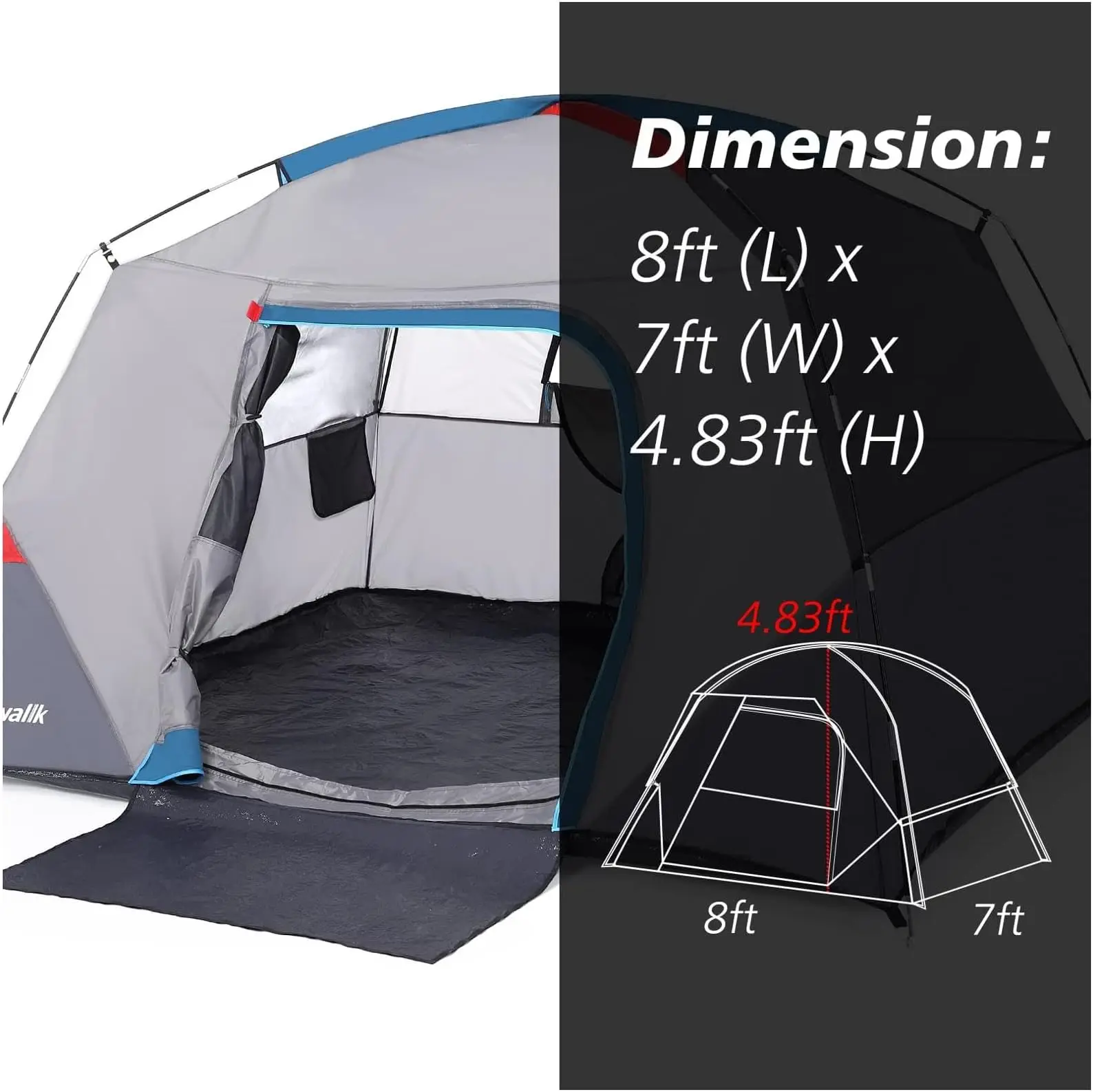
V. Essential Features That Enhance Two-Room Tent Functionality
The effectiveness of a two-room tent depends heavily on specific design features that optimize the multi-space layout. Understanding these elements helps you identify tents that will provide the best experience.
Multiple Entrance Systems
Separate doors for each room transform how you use a two-room tent.
Key Considerations:
– Independent access without disturbing others
– Strategic door placement relative to room functions
– Door size and design (D-shaped doors typically provide easier access)
– Vestibule coverage over entrances for clean, dry entry
The best configurations feature doors that can be fully opened in good weather for ventilation or securely closed for privacy and protection.
Cross-Room Ventilation Systems
Managing airflow becomes more complex—and more important—in multi-room tents.
Key Considerations:
– Ventilation placement to create cross-breezes through both rooms
– Adjustable vents that can be operated from inside the tent
– Mesh panels positioned to reduce condensation in sleeping areas
– Independent ventilation control for each room
Proper ventilation prevents the stuffiness and condensation that often plague larger tent structures, particularly when occupied by multiple people.
Room Divider Technologies
The divider itself significantly impacts privacy and functionality.
Key Considerations:
– Material thickness and opacity (lightweight mesh vs. heavy fabric)
– Attachment mechanisms (zippers, toggles, hook-and-loop fasteners)
– Full vs. partial height options
– Ability to completely remove and store the divider when not needed
Advanced dividers feature two-way zippers, partial openings for pass-through access, and noise-dampening properties for better sleep quality.
Groundsheet Configurations
Floor design affects comfort, waterproofing, and versatility in two-room tents.
Key Considerations:
– Fully integrated vs. detachable groundsheets
– Bathtub-style edges to prevent water entry
– Reinforced high-wear areas in each room
– Different flooring materials based on room function
Some innovative designs include removable flooring in “wet rooms” for easier cleaning or groundsheet extensions that create protected outdoor space.
Frame Materials and Support Systems
Larger two-room structures require robust support systems.
Key Considerations:
– Aluminum vs. fiberglass poles (strength, weight, durability)
– Hub designs that simplify setup of complex structures
– Additional support points for higher stability in wind
– Pole diameter and wall thickness appropriate for tent size
Quality pole systems make the difference between a sturdy home away from home and a frustrating, unstable shelter.
Specialized Technologies
Advanced features can significantly enhance the two-room experience.
Key Considerations:
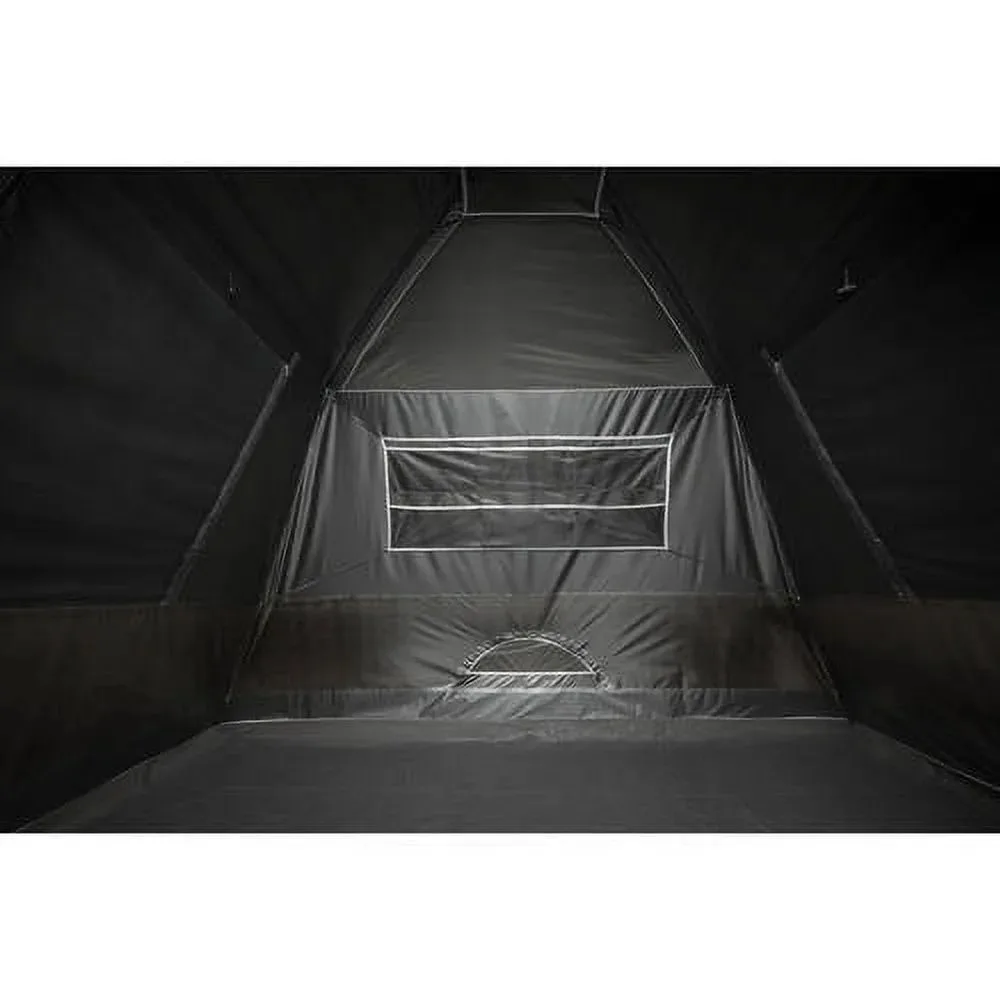
– Blackout or darkroom technology for better daytime sleeping
– Reflective materials for improved climate control
– Noise-dampening fabrics between rooms
– Quick-pitch systems to simplify setup of complex designs
These technologies address the specific challenges of multi-room camping, from light management to temperature regulation between zones.
Storage Solutions
Each room in a two-room tent has different storage requirements.
Key Considerations:
– Pocket placement specific to room function
– Overhead gear lofts that don’t reduce headroom
– Attachment points for hanging lights or clothes
– External storage solutions like vestibule organizers
Thoughtful storage design keeps both rooms functional and organized throughout your camping trip.
Understanding these features helps you evaluate shelter options for two campers and determine which configuration will best meet your needs. The right combination of these elements transforms a basic shelter into a truly functional two-room camping home.
The importance of waterproof camping tent construction becomes even more critical with larger footprints and multiple rooms, as more seams and connection points create additional vulnerability to moisture.
VI. The Pros and Cons of Different Two-Room Tent Designs
Every two-room tent configuration offers distinct advantages and challenges. Understanding these trade-offs helps you prioritize what matters most for your camping style.
Advantages of Two-Room Tents
Enhanced Privacy
Two-room designs create genuine separation between spaces, allowing mixed groups to share a tent while maintaining personal boundaries. This privacy transforms the camping experience, making longer trips more comfortable for everyone involved.
Improved Organization
Dedicated spaces for specific functions keep camping life orderly. Sleeping areas stay clean and dry, while “wet” areas contain outdoor dirt and moisture. This organization reduces the typical chaos of tent living, especially during longer stays.
Increased Living Space
Beyond just square footage, two-room designs create functionally different areas that serve distinct purposes. This specialized space use makes the tent feel larger and more comfortable than a single room of equal size.
Weather Versatility
When rain confines you to your tent, separate spaces prevent cabin fever. Different activities can occur simultaneously without interference, making extended weather delays more tolerable.
Disadvantages to Consider
Weight and Bulk Increases
Two-room tents inevitably weigh more than their single-room counterparts. The additional materials, poles, and features add 30-50% more weight and packed volume, making them less suitable for backpacking or sites requiring long walks from parking areas.
Setup Complexity
More poles, clips, and features mean more complex assembly. What takes 5-10 minutes for a simple dome tent might require 15-25 minutes for a two-room configuration, particularly during your first few setups.
Ventilation Challenges
Internal dividers can restrict natural airflow, creating potential condensation issues if ventilation isn’t properly designed. This is especially problematic in cooler weather when campers are less likely to open windows and doors.
Cost Implications
Two-room tents typically command a premium of 40-70% over comparable quality single-room models. This higher investment reflects the additional materials, design complexity, and specialized features.
Campsite Requirements
Larger footprints require more substantial tent pads or flat areas. This can limit site selection, particularly in established campgrounds with defined tent spaces or in wilderness areas where large flat spots are scarce.
When evaluating these trade-offs, consider how they align with your camping priorities. If you primarily take weekend trips in good weather, the added complexity and weight might outweigh the benefits. However, for family vacations, extended stays, or mixed-group camping, the advantages often justify the compromises.
For those concerned about space and weight, comparing two-room options with compact shelter for two alternatives can help determine if the additional room is worth the extra bulk and setup time.

VII. How to Select the Perfect Two-Room Tent Configuration
Finding your ideal two-room tent requires a systematic approach that matches tent features to your specific needs. Consider these critical factors when making your selection:
Assess Your Group Composition
Start by analyzing who will be using the tent and how they interact:
- How many adults and children typically camp together?
- What age are the children, and what level of privacy do they need?
- Does anyone in your group have specific requirements (mobility issues, claustrophobia, etc.)?
- Do you frequently host additional guests who need accommodation?
A family with young children might prioritize visual access between rooms, while a group of adults would value complete separation and privacy.
Identify Your Camping Style
Your typical camping locations and habits should heavily influence your choice:
- Do you primarily car camp or need to carry your tent short distances?
- How long are your typical camping trips (weekends vs. extended stays)?
- Do you frequently camp in designated campgrounds or more remote locations?
- How important is setup time to your camping experience?
Car campers can prioritize comfort and features over weight, while those hiking to remote sites might need to balance room configuration with portability.
Evaluate Climate and Seasonal Use
Weather conditions dramatically impact which configuration will serve you best:
- Do you camp year-round or primarily in one season?
- What temperature ranges do you typically experience?
- Are rain, humidity, or strong winds common in your camping areas?
- How important is temperature control between different tent areas?
Cold-weather campers should prioritize designs that minimize heat loss, while those in rainy regions need excellent ventilation to manage condensation.
Prioritize Must-Have Features
Create a hierarchy of features based on your specific needs:
- Is standing height throughout the tent essential or just nice to have?
- Do you need complete blackout options for daytime sleeping?
- How important are multiple entrances to your camping style?
- Do you require specific storage systems for organization?
Understanding is a 2 person tent actually big enough helps frame how much additional space you truly need in a two-room design.
Consider Setup Limitations
Be honest about your setup preferences and abilities:
- How much time are you willing to invest in tent assembly?
- Do you typically set up camp in daylight or after dark?
- How many people usually help with tent setup?
- Do you have physical limitations that might make complex setups challenging?
For those concerned about complex assembly, easy setup camping tent options offer two-room configurations with simplified pole systems.
Budget Appropriately
Quality two-room tents represent a significant investment:
- What is your absolute maximum budget?
- Which features justify spending more?
- Would a more expensive tent that lasts longer provide better value?
- Are you willing to compromise on certain features to stay within budget?
Remember that price often correlates with durability, weather resistance, and feature sophistication in two-room designs.
Evaluate Material Quality
For larger tents, construction quality becomes even more critical:
- Look for reinforced stress points and heavy-duty zippers
- Check seam construction and waterproofing methods
- Assess pole quality and connection points
- Consider fabric denier ratings for walls and flooring
By systematically addressing these factors, you can narrow down the vast array of options to find the two-room tent configuration that truly matches your camping needs.
VIII. Real-World Two-Room Tent Configuration Examples
Understanding how different configuration theories translate to actual products helps clarify which design might work best for your needs. Here are detailed analyses of common real-world examples:
Cabin-Style Side-by-Side Room Configuration
This popular family-oriented design features a central living area flanked by equal-sized sleeping areas, often with near-vertical walls throughout.
Layout Advantages:
– Maximum usable space due to vertical walls
– Symmetrical room design creates equal-quality sleeping spaces
– Central area serves as a natural gathering point
– Standing height throughout the entire tent
Typical Features:
– Multiple large windows in each section
– D-shaped doors for easy access
– Integrated room dividers that zip completely closed
– Substantial rainfly coverage over all sections
Best Uses:
– Family camping with children
– Multi-couple weekend getaways
– Base camps for extended outdoor activities
– Campgrounds with generous tent pads
This configuration shines when camping comfort is the priority and transport/setup limitations are minimal. The equal-sized rooms make it particularly well-suited for groups where no one should have a “better” or “worse” sleeping area.
Tunnel Tent Front-Back Configuration
This streamlined design arranges rooms in sequence, typically with a sleeping area at the rear and a living/storage space at the front.
Space Efficiency:
– Smaller footprint fits in more limited camping spaces
– Aerodynamic design performs better in windy conditions
– Progressive height often provides sitting height in sleeping areas and standing height in living areas
Access Considerations:
– Single entrance typically leads into the front room
– Moving between rooms requires passing through shared doorways
– Front room serves as a buffer between the elements and sleeping quarters
Weather Performance:
– Excellent rain shedding when properly oriented
– Good stability in changing conditions
– Protected front entry for gear storage
This configuration works particularly well for couples or small families who value weather protection and space efficiency over equal-sized separate rooms. The front-to-back arrangement creates a natural progression from “dirty” to “clean” areas.
Dome Tent with Vestibule Room Design
This hybrid approach uses a traditional dome structure for the main sleeping area with an extended vestibule that functions as a second room.
Versatility:
– Main dome provides stable sleeping quarters
– Vestibule can serve multiple functions (cooking, storage, pet area)
– Often features removable flooring in the vestibule section
Setup Simplicity:
– Basic dome structure is familiar and straightforward
– Fewer poles than cabin-style designs
– Can often function as a single-room tent if needed
Limitations:
– Vestibule typically has less headroom than main dome
– Secondary room often has less weather protection
– Limited privacy compared to full two-room designs
This configuration is perfect for solo campers or couples who occasionally need extra space but don’t want to commit to a larger, heavier full two-room design. Its flexibility makes it a versatile option for varying conditions.
Hybrid Configurations
Innovative designs often combine elements from multiple configuration types to address specific needs.
Examples include:
– Pod-style tents with a central dome and radiating sleeping chambers
– Cabin/tunnel hybrids with a tall front room and lower profile sleeping area
– Modular systems that allow components to be added or removed
These specialized designs cater to specific camping scenarios and often represent the cutting edge of tent design. While they may excel in particular situations, they sometimes lack the versatility of more traditional configurations.
For those seeking alternatives to traditional tent designs, exploring compact camping shelters for forest hiking can provide insight into when simpler solutions might be preferable.

Tall / Stand Up Camping Tent, Two Room Camping Tent
$407.93 Select options This product has multiple variants. The options may be chosen on the product page
Compact Backpacking Tent, Lightweight Backpacking Tent, Waterproof Camping Tent
$335.52 Select options This product has multiple variants. The options may be chosen on the product page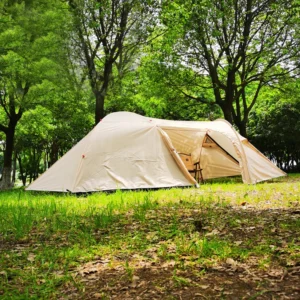
Camping Tent with Vestibule, Waterproof Camping Tent
Price range: $407.89 through $479.48 Select options This product has multiple variants. The options may be chosen on the product page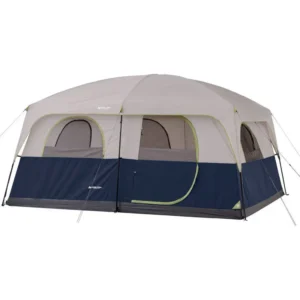 $476.52 Select options This product has multiple variants. The options may be chosen on the product page
Backpacking Tent with Vestibule, Trekking Pole Backpacking Tent, Waterproof Camping Tent
Price range: $271.99 through $519.52 Select options This product has multiple variants. The options may be chosen on the product page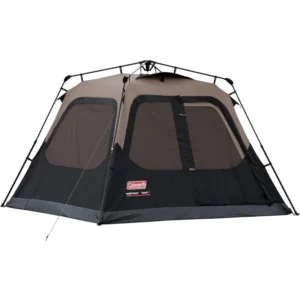
Easy Setup Camping Tent, Instant Camping Tent
Instant Cabin Tent Double Layer Canvas 1-Minute Setup Spacious Family Camping Shelter with Air Vents$308.10 Select options This product has multiple variants. The options may be chosen on the product page
IX. Setup and Organization Strategies for Two-Room Tents
Successfully using a two-room tent requires thoughtful setup and organization. These strategies will help you maximize the benefits of your multi-room configuration.
Pre-Trip Preparation
Before heading to your campsite, take time to familiarize yourself with your tent:
- Practice setting up your tent at home at least once before your trip
- Identify and label pole sections if they aren’t already color-coded
- Create a simple checklist of setup steps specific to your tent model
- Verify you have all components, including dividers and rainfly
This preparation prevents the frustration of learning a complex setup process while daylight fades or weather threatens.
Strategic Campsite Selection
Two-room tents require more thoughtful site selection:
- Look for a space at least 2-3 feet larger in all directions than your tent’s footprint
- Prioritize flat, level ground more aggressively than with smaller tents
- Consider sun positioning—morning sun on sleeping areas can cause early overheating
- Note wind direction and position the tent to minimize broadside exposure
Taking extra time to find the perfect spot pays dividends throughout your stay.
Efficient Assembly Process
Break down the setup into manageable phases:
- Clear and prep the entire tent area first
- Lay out the groundsheet or tent floor, ensuring proper orientation
- Assemble and install the main support structure
- Attach the tent body to the frame systematically
- Install the rainfly, starting from the highest point
- Add room dividers only after the main structure is stable and adjusted
- Stake out guy lines working from the corners inward
Most setup problems result from rushing or attempting to correct mistakes too late in the process.
Divider Installation Tips
Room dividers require special attention:
- Install dividers after the tent is fully erected and staked
- Ensure they hang straight without pulling on tent walls
- Adjust tension to eliminate sagging while avoiding stress on attachment points
- Position based on actual sleeping arrangements rather than default locations
Some campers find that positioning dividers slightly off-center from the manufacturer’s design better suits their specific needs.
Stabilization Techniques
Larger tents require more comprehensive stabilization:
- Use all provided stake points, not just corner stakes
- Add additional guy lines in windy conditions
- Consider supplemental internal poles for snow loads or heavy rain
- Adjust guy lines daily as temperature and humidity changes affect tension
Learning proper tent packing tips for mastering tent packing tips is particularly important with two-room tents, as improper folding can damage internal dividers and more complex pole structures.
Room Organization Systems
Maximize functionality through thoughtful organization:
- Designate specific purposes for each room and organize accordingly
- Use compression sacks for sleeping bags and clothing to maximize space
- Employ hanging organizers on divider walls to utilize vertical space
- Create designated pathways between rooms to prevent trampling gear
- Position lighting for each room based on its primary function
For those who prioritize quick setup, instant camping tent options provide two-room functionality with dramatically simplified assembly.
X. Is a Two-Room Tent Right for You? Making the Final Decision
After exploring the world of two-room tent configurations, the ultimate question remains: is this style of tent the right choice for your outdoor adventures? Consider these final thoughts as you make your decision.
The core benefits of two-room tents—privacy, organization, versatility, and comfort—deliver significant value for many camping scenarios. They transform the camping experience from simply sleeping outdoors to creating a genuine home away from home. This evolution makes camping more accessible and enjoyable for those who might otherwise find traditional tent camping too rustic or uncomfortable.
However, these benefits come with trade-offs in weight, complexity, and cost. The decision ultimately hinges on matching your specific camping style and priorities with the right configuration.
Two-room tents excel when:
– You regularly camp with family or mixed groups
– Your trips extend beyond weekend outings
– You frequently encounter variable weather conditions
– Comfort and living space are higher priorities than portability
– You primarily camp near your vehicle
– Organization and defined spaces enhance your outdoor experience
Simpler tent options might be preferable when:
– You rarely camp with more than one other person
– Your trips are primarily short weekend adventures
– You frequently move camp locations during a single trip
– Weight and pack size are critical considerations
– Setup simplicity is a top priority
– Budget constraints are significant
The perfect space-saving tent for two might offer better value if your camping rarely involves groups or extended stays. However, for those who camp frequently with family or friends, the investment in a quality two-room tent often pays dividends in comfort and enjoyment.
Remember that tent quality varies dramatically, and with two-room designs, these differences become even more important. A well-designed, quality two-room tent will outperform a poorly designed one regardless of configuration. Prioritize construction quality, weather resistance, and thoughtful feature integration over simply having the maximum possible space.
Ultimately, the perfect two-room tent is the one that solves your specific camping challenges while fitting within your practical limitations of budget, transport capacity, and setup preferences.
XI. Weather Management in Two-Room Tents: Maximizing Comfort Year-Round
Managing weather conditions becomes more complex—and more important—in two-room tent configurations. Different spaces within the same structure can experience dramatically different temperature, humidity, and comfort levels without proper management.
Temperature Management Between Rooms
Two-room tents often develop temperature gradients, with different zones heating or cooling at different rates:
- Position sleeping areas away from morning sun exposure to prevent early overheating
- Use reflective rainfly materials to minimize solar heat gain in summer
- In cooler weather, minimize unnecessary openings in sleeping areas to retain heat
- Consider how air naturally flows through your specific tent design
Some campers strategically use these temperature differences, positioning sleeping areas in naturally cooler zones during summer or warmer areas during shoulder seasons.
Condensation Control Across Multiple Spaces
Condensation management becomes more challenging with internal dividers:
- Establish cross-ventilation pathways that work with, not against, your room configuration
- Keep wet gear in vestibules or designated “wet rooms” rather than sleeping areas
- Use moisture-absorbing products in problem areas
- Leave top vents open even in cooler weather to allow moisture escape
Understanding the specific condensation patterns in your tent model helps you position gear and sleeping areas to minimize moisture problems.
Rain and Wind Management
Larger footprints create greater exposure to weather challenges:
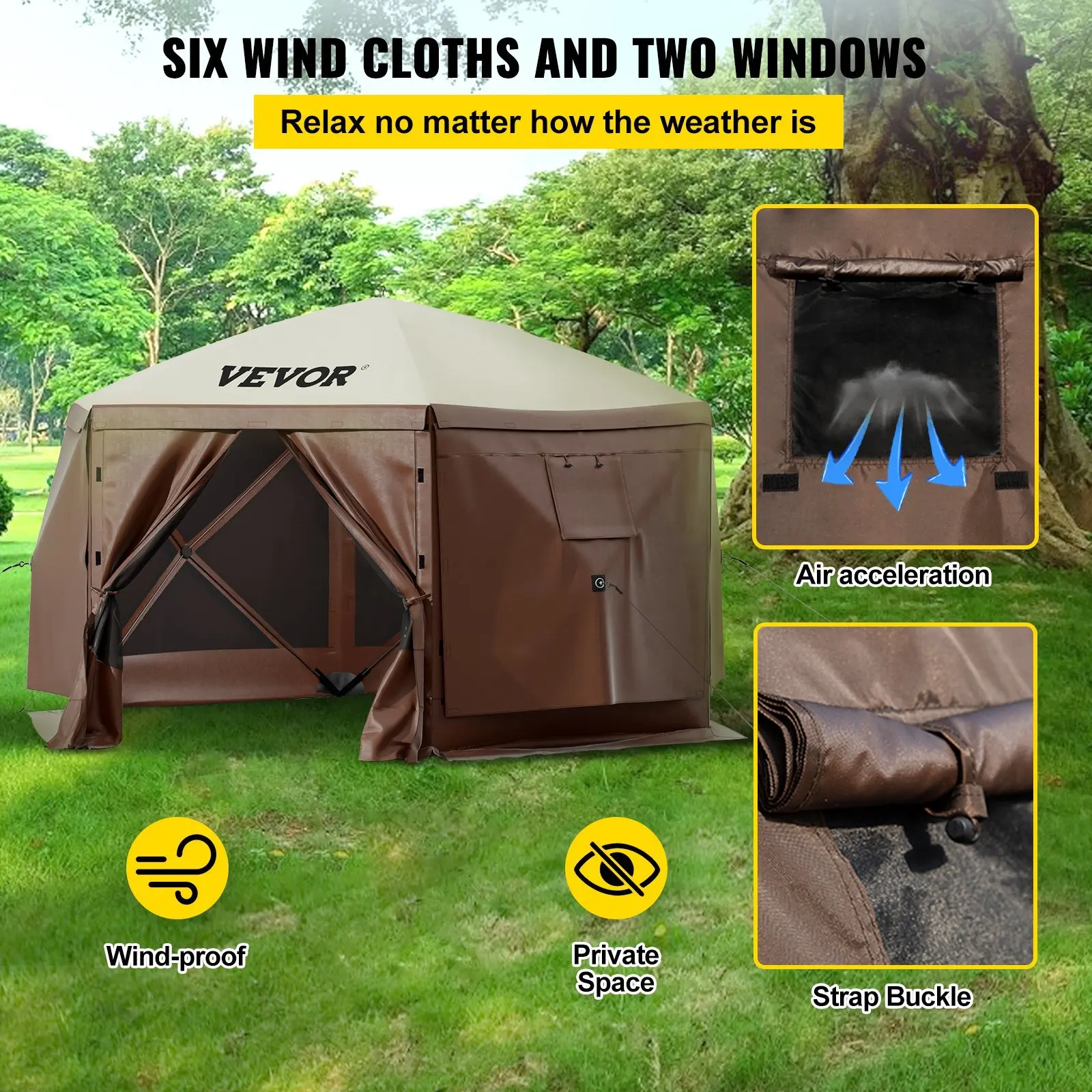
- Orient your tent to minimize broadside wind exposure
- Add additional guy lines beyond those provided by the manufacturer in severe conditions
- Create drainage channels around your tent to direct water away from all sides
- Consider supplemental waterproofing for high-stress seams in older tents
Proper orientation becomes even more critical with two-room designs, as their larger size makes them more vulnerable to wind forces and their multiple seams create additional potential leak points.
Seasonal Adjustment Strategies
Adapt your two-room configuration to match seasonal conditions:
Summer Setup:
– Maximum ventilation with all vents and windows open
– Rainfly positioned to create shade while maintaining airflow
– Room dividers partially open to promote air circulation
– Doors positioned to capture prevailing breezes
Winter Setup:
– Minimized ventilation, using only what’s necessary to control condensation
– Full rainfly coverage properly tensioned to shed snow
– Complete closure of room dividers to create heat zones
– Strategic use of ground insulation in sleeping areas
Shoulder Season Adjustments:
– Variable ventilation that can be adjusted as conditions change
– Rainfly positioned for maximum weather protection with selective ventilation
– Room configurations that create microclimate zones for different activities
The best compact shelters for two might offer simpler weather management in extreme conditions, but two-room tents provide unmatched versatility when properly managed across different seasons.
With thoughtful setup and strategic adaptations to weather conditions, a quality two-room tent transforms from simply a larger shelter into a genuinely comfortable living space that enhances every camping experience. The ability to create and manage different environmental zones within a single structure represents one of the most significant advances in modern tent design, making extended outdoor stays comfortable regardless of weather challenges.